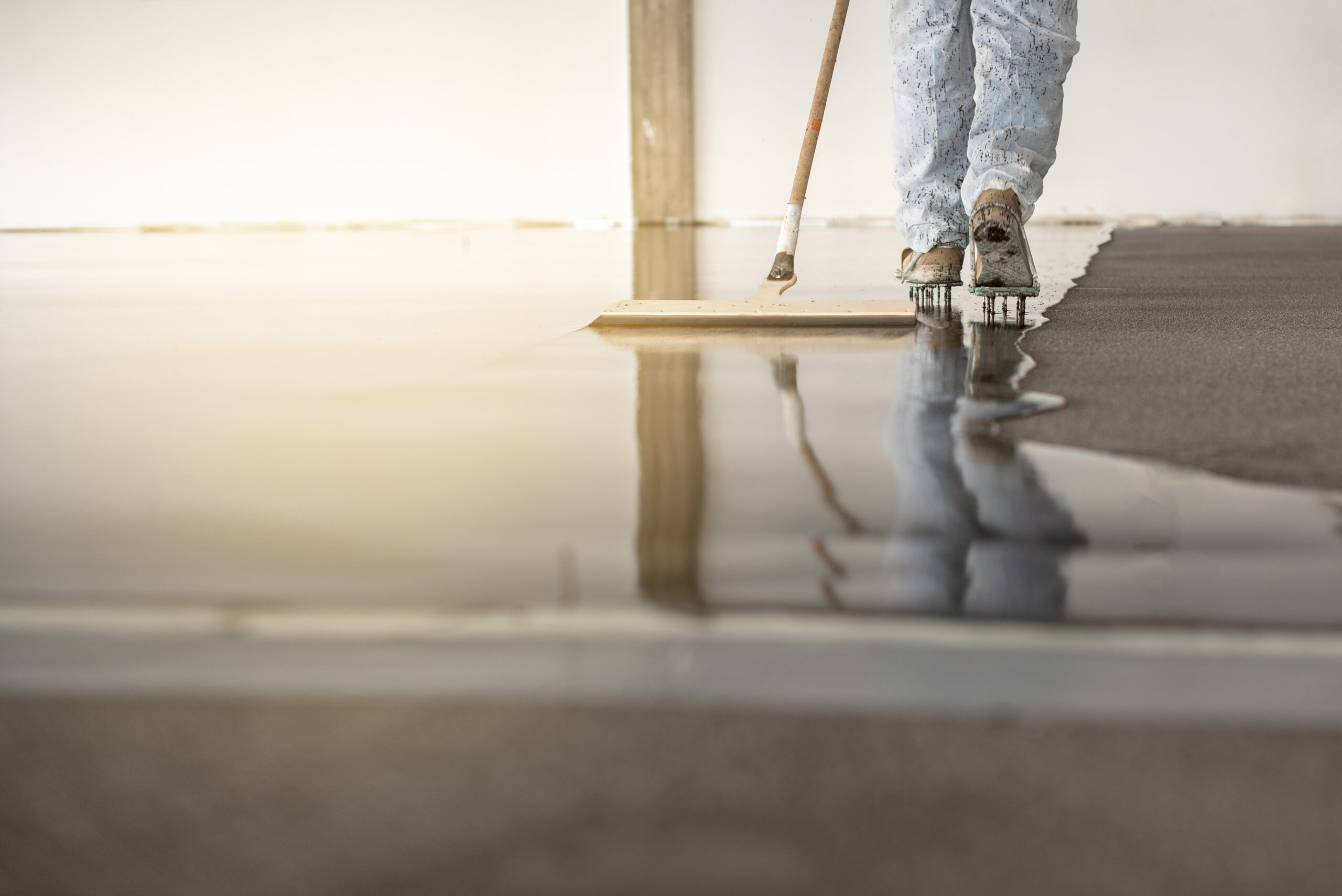
Shopping centres and retail environments demand a flooring system that both looks professional and can maintain the daily onslaught of heavy foot traffic week after week, year after year. Retail resin flooring is perfect for these conditions, giving you a tough, seamless surface that is both practical and visually appealing. However, proper maintenance is essential to keep the floor performing at its best. In this FAQ guide, we answer some of your questions about caring for resin floors, and highlight some of the key
epoxy floor benefits for retail environments.
Q1: How do you clean resin flooring properly?
Cleaning retail resin flooring is usually straightforward because the seamless surface prevents dirt and bacteria from becoming trapped in joints or grout lines. In most cases, regular sweeping or vacuuming followed by damp mopping with a mild cleaning solution is enough to keep your floor looking clean and presentable between shifts. However, we recommend avoiding harsh chemicals or abrasive cleaning tools that could affect the surface finish. One of the key epoxy floor benefits is that the non-porous surface makes cleaning quicker and more efficient compared with many traditional flooring materials used in retail.
Q2: How often should commercial/retail floors be recoated?
The frequency of recoating depends on the level of foot traffic the floor experiences and the type of resin system installed. Most retail resin flooring systems perform well for at least 5-10 years before needing a new topcoat, particularly when regular cleaning and maintenance are carried out. High-traffic retail environments such as supermarkets or shopping centres may require a new topcoat sooner, while lower-traffic spaces can last longer before recoating is necessary. Applying a new topcoat can help restore the floor’s appearance and performance while extending the lifespan of your original system.
Q3: Can resin flooring be repaired?
Yes, retail resin flooring can usually be repaired if it becomes damaged or worn in specific areas. Minor issues such as chips, scratches, or small cracks can often be patched up using compatible resin materials, helping restore both the appearance and functionality of the floor. In larger retail spaces, this ability to carry out localised repairs is one of the practical
epoxy floor benefits, as it can reduce disruption and avoid the need for a full floor replacement.
Q4: What damages epoxy flooring in shops?
An
epoxy resin flooring system will stand up to most things that your customers can throw at it, from boot scuffs to chewing gum and spilt drinks. However, while resin systems are designed to be highly durable, they can incur damage if the floor is not properly protected or maintained. Heavy dropped items, dragging sharp equipment, or exposure to harsh chemicals outside the floor’s specification can all affect your system over time. Poor installation or inadequate preparation of the concrete substrate can also lead to issues such as delamination, potentially reducing the floor’s lifespan.
Q5: How do you maintain slip-resistant flooring?
Slip-resistant finishes are commonly used in retail
resin flooring to improve safety in areas where spills or wet conditions may occur. To maintain this surface texture, regular cleaning is important so that dirt, grease, or residues do not build up and reduce traction. Routine inspections will help you
identify areas where the surface may have worn down due to heavy foot or wheeled traffic. Most flooring systems allow you to replace the anti-slip coating or upgrade its qualities when required.
Find out more
If you would like to find out more about retail resin flooring, our team can provide expert guidance and a tailored recommendation based on your environment and operational needs.
Contact us today to arrange a site survey or speak with a member of our technical sales team
Image Source:
Envato
Sharing is caring!