

By Advanced Resin on Mar 12, 2026 10:00:13 AM

If you’re planning to replace your driveway this year, timing matters just as much as materials. A common question we’re getting from homeowners is whether a resin driveway can be installed during the winter months, and if it’s wise to do so. In this article, we explore the topic through the questions people most often ask when weighing up types of resin driveways and comparing resin vs concrete in colder conditions.

What is a resin driveway, and are there different types?
Before thinking about winter installation, it helps to understand the types of resin driveways available to you.
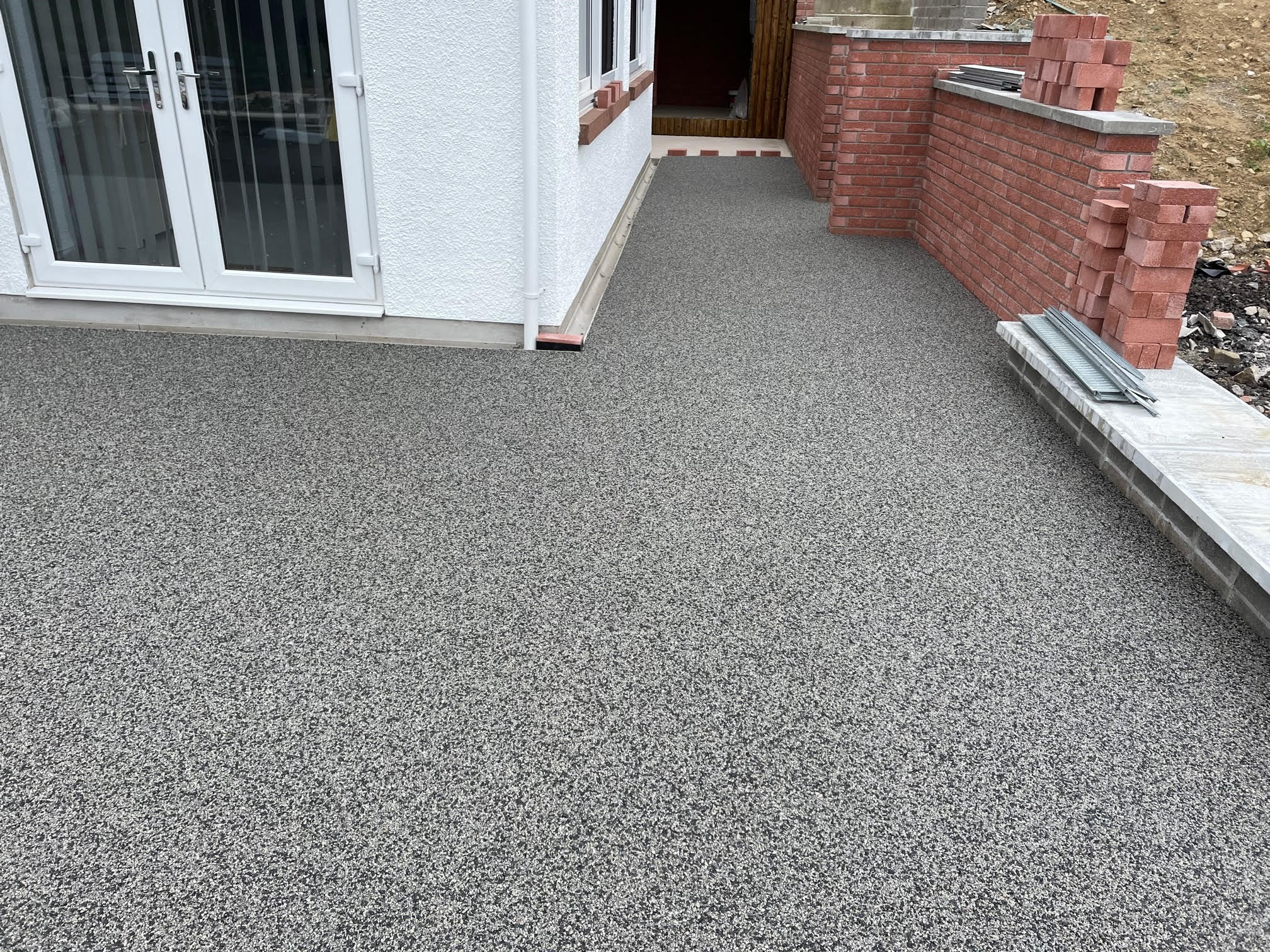
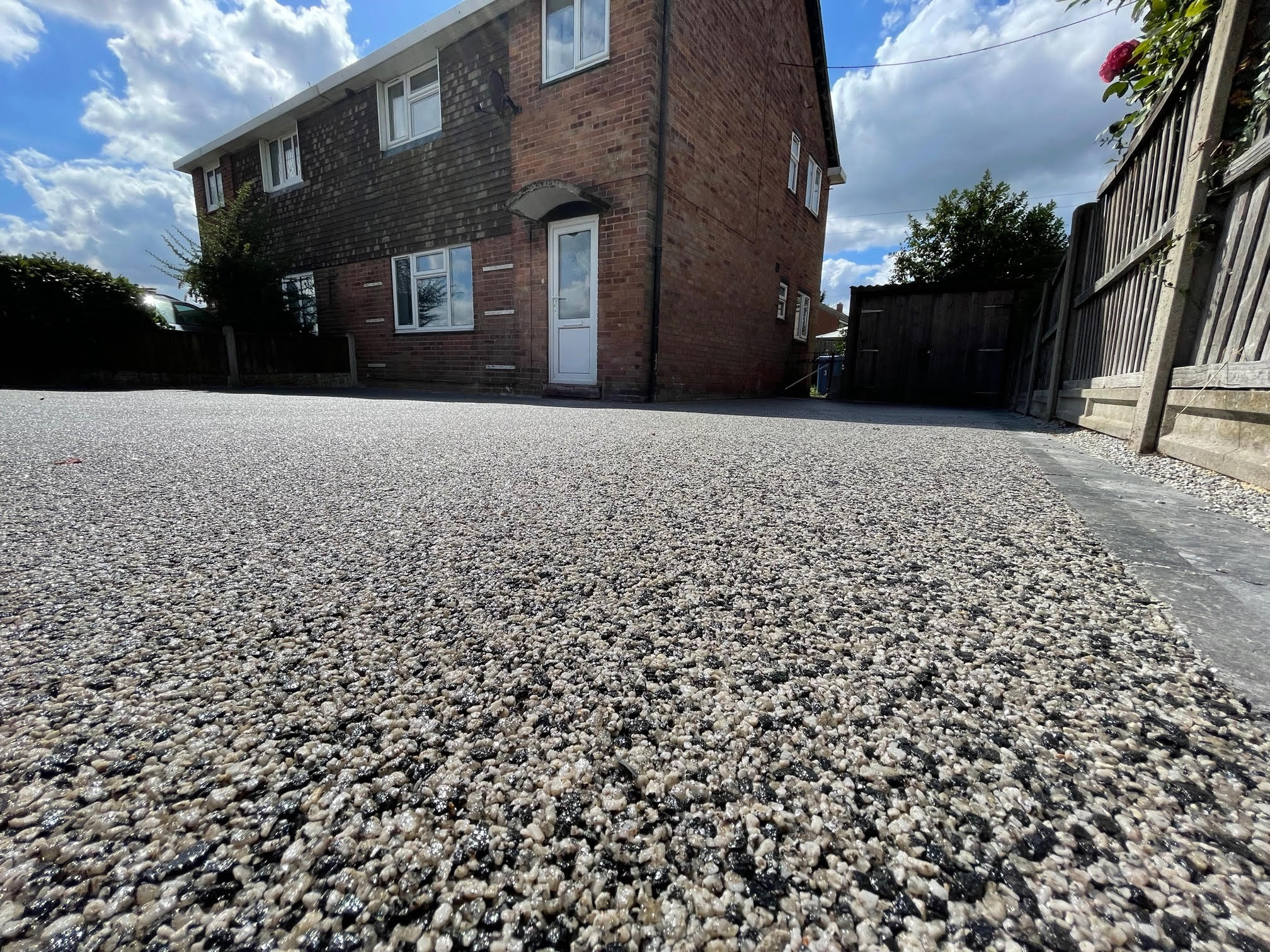
- Resin bound driveways: Natural aggregates are mixed with resin and laid as a smooth, permeable surface. This is the most common option for residential driveways and is fully SuDS-compliant when installed correctly. (SuDs = Sustainable Drainage Systems. In England, planning rules generally require that new or replacement driveways in front gardens use permeable materials or provide a suitable drainage solution. A driveway that meets SuDS principles usually does not require planning consent.)
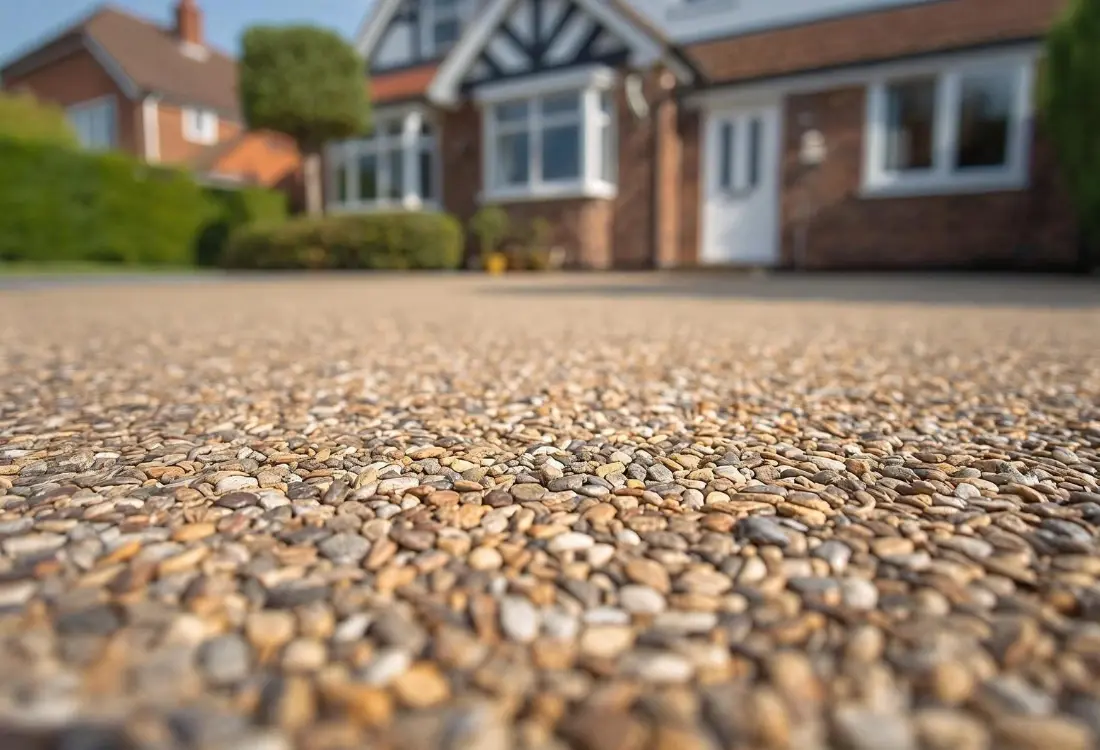
- Resin bonded driveways: Resin is applied to the surface first, with loose aggregate (e.g. pebbles) scattered on top. These are less common for domestic driveways and behave differently in cold or wet weather.
Winter installation considerations mainly apply to resin bound systems, as they rely on controlled curing conditions.
So, can a resin driveway be installed in winter?
Yes, a resin driveway can be installed in winter, but only under the right conditions. This is because resin bound systems are highly sensitive to temperature and moisture until they are fully cured. Most manufacturers specify minimum ground and air temperatures, and these must be met consistently during installation and curing. If conditions are too cold or damp, the resin may not cure properly, which can affect the surface strength and appearance. Because winter weather is more unpredictable than other times of year, the installation windows are often shorter and more dependent on day-to-day conditions. In practice, it is often difficult to achieve consistent curing conditions between early November and mid-late March.
Why does temperature matter so much for resin?
Resin cures through a chemical reaction that slows significantly in cold conditions. If temperatures drop too low, the resin may remain tacky for longer than expected, your aggregates may not bind evenly, and the finished surface can be weaker or visually inconsistent. In some cases, installers may use winter-grade resins or take additional precautions, but these still have defined limits and won’t perform well in frost, snow, or freezing temperatures.
What about rain, sleet, frost, and moisture?
No, that isn’t great, either. Moisture is just as important to how your resin driveway cures as temperature.
- Rain and snow can interfere with the resin mix and affect the final finish
- Frost and ice on the sub-base or existing driveway can prevent proper bonding
- High humidity can extend your curing times
Even if it isn’t actively raining, saturated ground or an overnight frost can delay or rule out installation altogether.
Is concrete better than resin in winter conditions?
When comparing resin vs concrete for your new driveway, winter highlights some key differences. For example, concrete can be often poured in colder weather using specific mixes and curing methods, but it is still vulnerable to frost damage during early curing. Resin bound surfaces, on the other hand, require more precise conditions but cure faster than concrete driveways when those conditions are met.
In short, neither material is immune to winter challenges. Concrete may tolerate slightly colder conditions, while resin demands tighter control, but rewards that with a quicker usable surface once cured.
Should you wait until spring to install a resin driveway?
Generally speaking, waiting until the spring reduces the risk of delays or installation issues. Milder temperatures and lower moisture levels make it easier for our team to achieve consistent curing, avoid weather-related delays, and make sure the finished surface meets the expected standards.
That said, a properly installed resin driveway should perform the same regardless of season. Problems tend to arise not from when it’s installed, but how the conditions are managed during installation. If temperature and moisture guidelines are followed, a winter installation should not reduce lifespan, so can still be practical during milder spells, particularly if scheduling flexibility isn’t an issue.
Find out more
Installing a resin driveway in winter isn’t automatically a bad idea but it does require the right conditions, materials, and a stiff shot of patience. Understanding the types of resin driveways available and how resin vs concrete performs in cold weather can help you decide whether to proceed now or wait a few weeks for more favourable conditions. To discuss your options, please call Advanced Resin today on 44 7989 111009.

Making Sense of Resin: Everything You Need To Know About The Types of Resin Driveways For Homes
Withstanding The Seasons: Are Resin Driveways Weatherproof?
No Comments Yet
Let us know what you think